Seven Kings Ilford man and van tips for tight access streets
Posted on 24/06/2026
Moving in Seven Kings and wider Ilford can be straightforward on paper, then suddenly a narrow street, parked cars, a low branch, or a tight turning circle changes everything. If you are trying to plan a man and van move in streets with awkward access, the details matter more than people expect. A good setup can save time, reduce damage risk, and keep the day calm instead of chaotic.
This guide pulls together practical Seven Kings Ilford man and van tips for tight access streets so you can plan smarter, avoid the common snags, and decide whether a smaller vehicle, a fuller service, or a little extra preparation is the better fit. Let's face it: the street itself often decides how smooth the move feels.
Why Seven Kings Ilford man and van tips for tight access streets Matters
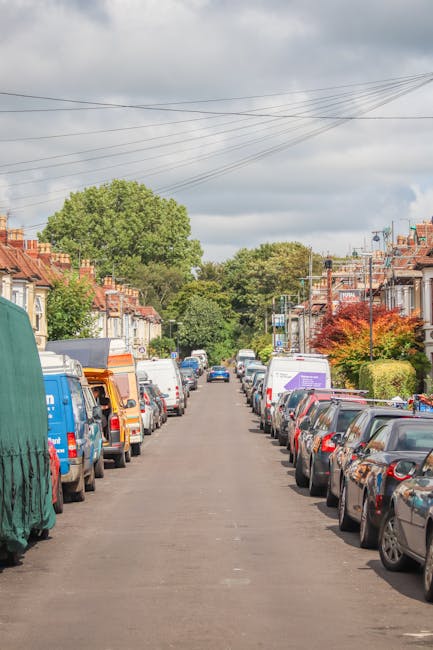
Tight-access streets are not just an inconvenience. They change how the whole move has to be organised. In Seven Kings and parts of Ilford, you may run into streets with resident parking on both sides, corners that feel sharper than they look, limited kerb space, or terraced homes where the front door is only a few steps from the road. A van that is perfect on a quiet industrial estate may be a poor fit on a street like that.
Why does that matter so much? Because access affects everything: where the van can stop, how far the team has to carry items, how quickly loading happens, and whether bulky pieces can be taken out in one clean movement or need to be broken down first. If you misjudge it, you can end up with delay, extra effort, or that awkward moment where nobody wants to say the van simply cannot fit. Not ideal.
It also affects costs. A move that needs double-handling, longer carry distances, or a return trip because the vehicle could not park nearby will usually take more time. If you are comparing options, it is worth reading about man and van services in Ilford alongside the practical detail, rather than focusing only on headline price. The cheapest quote can become less cheap if access is tight and the plan is vague.
There is also the customer side of it. If you live in a terraced row, a mansion block with narrow entry, or a street that is always half full of cars, you want the move to feel controlled. Nobody wants removers standing around guessing where the van can go while your sofa waits on the pavement. A bit of planning makes the day feel much more professional and, frankly, much less stressful.
How Seven Kings Ilford man and van tips for tight access streets Works
A tight-access move works best when the van size, parking position, loading order, and route into the property all match the street conditions. The job is not just "turn up and load". It is more like a small puzzle. You identify the access limits early, choose the right vehicle, and make sure the team has a clear path for moving items safely.
Start with the basics. Measure the obvious obstacles if you can: the road width, the width of the driveway or entrance, the position of parked cars, any height restrictions, and whether the nearest stopping point is close enough for practical carrying. Even if you do not have exact measurements, a few photos taken from the road and from the doorway can help a mover judge the situation accurately.
Then the loading strategy matters. In a narrow street, time on the road is precious. It often helps to load the larger or more awkward items first, because they are the hardest to manoeuvre through a restricted space. After that, lighter and more flexible items can fill the gaps. This is where services such as furniture removals in Ilford can be useful if you have beds, wardrobes, tables, or other awkward pieces that need a bit more thought than the average box.
Finally, the move needs to be communicated clearly. Tell the driver about access in advance. Mention road width, parking pressure, stairs, whether the property is set back from the road, and whether there is an access gate that swings awkwardly. People often skip this bit and assume the crew will "just work it out". Sometimes they do. Often, it is better not to leave it to chance.
Key Benefits and Practical Advantages
When you plan a man and van move properly for a tight street, the benefits are pretty immediate. First, the move usually runs faster because there is less backtracking, less repositioning of the van, and fewer "hang on, can we try it from the other side?" moments. That may sound minor, but on moving day minor things stack up quickly.
Second, you reduce the risk of damage. Narrow streets often mean more mirror-folding, careful reversing, and more chance of bumping a wall, kerb, or parked car. A smaller, better-suited vehicle and a clearer route reduce that risk before anyone starts lifting.
Third, the whole thing tends to feel calmer. That matters more than people admit. A move with tight access can become noisy and tense very quickly, especially if neighbours are watching from windows or the street is busy at school-run time. A planned approach keeps the day under control. And when the day is under control, everyone breathes a bit easier.
There are also commercial advantages. If you are moving on a budget, a carefully planned move may avoid needing a larger vehicle than necessary or an extra crew member you do not really need. If you want a clearer picture of how service choices can affect price, the page on pricing and quotes is a useful place to start.
Expert summary: tight-access moves are won before the van arrives. The best results usually come from clear photos, realistic parking expectations, the right van size, and an agreed loading plan.
Who This Is For and When It Makes Sense
This approach is for anyone moving in a street where access is not generous. That includes residents of terraced houses, smaller flats, maisonettes, converted buildings, and roads where parked cars leave only a slim lane for vehicles to pass. If you are near a busy stretch in Seven Kings or a side road off a main route in Ilford, this is probably you.
It also makes sense for:
- people moving a few bulky items rather than a full house
- students moving into or out of compact accommodation
- flat movers dealing with stairs, narrow hallways, or tight corners
- families needing a careful move with furniture that cannot be dragged around
- small business owners shifting office furniture or stock from cramped premises
If you are moving something awkward or fragile, access planning gets even more important. A piano, for example, is not a "we'll see when we get there" item. It needs special handling, and the route in and out matters a lot. In that case, it is sensible to look at piano removals in Ilford rather than treating it as a normal lift.
It may also be worth considering whether a simple man and van is enough or whether you need a broader removals package. If your move has multiple rooms, large furniture, or a lot of boxed contents, a more complete service can be less stressful than stretching a small van job too far.
Step-by-Step Guidance
Here is a practical way to plan a tight-access move without overcomplicating it.
- Inspect the street in advance. Walk the route from the property to the nearest legal and practical stopping point. Look at parked cars, corners, low trees, and road width.
- Take photos from multiple angles. A few decent images tell a mover more than a vague description ever will. Get the street, the front door, the entrance, and any turning points.
- Measure the awkward bits. Doorway width, stair width, gate openings, and any internal corners that could catch larger furniture. Even rough measurements help.
- Decide what must be dismantled. Beds, tables, and wardrobes are often easier to move in parts. If it comes apart safely, do it before move day.
- Reserve space where possible. If you can arrange safe stopping space near the property, do it early. In a tight road, a van parked badly can cause the whole move to unravel.
- Pack by carry order. Put items you need last near the door and bulky items closest to the exit. That saves repeated shuffling.
- Keep essentials separate. Documents, keys, chargers, medication, and a kettle if you are being very sensible should not disappear into the back of the van.
- Confirm access details again the day before. Tiny change, big difference. A car parked across the only space can change the plan at the last minute.
As a rule of thumb, if you think the van will need to stop "just round the corner", say so early. That one detail affects labour time, route choice, and how the load is sequenced. No drama, just practical reality.
Expert Tips for Better Results
A few small choices make a surprisingly big difference in tight-access streets. One of the best is to move lighter items first if the route from the van to the property is awkward but short. It keeps the team flowing and reduces the temptation to stack heavy things in a way that blocks the doorway. Simple, but effective.
Another tip is to keep the van stop as close to the property as the rules allow, but not so close that it blocks sightlines or blocks a junction. In many cases, the best parking spot is the one that lets the crew carry safely without forcing a reckless manoeuvre. That balance matters more than squeezing the van two feet closer.
If the street is particularly narrow, ask whether a smaller vehicle or a split-load plan would be better. It can be tempting to think one larger van will always be more efficient, but on a tight road it sometimes does the opposite. A smaller van can save time because it fits the street properly and avoids constant repositioning.
Also, keep a little breathing room in your schedule. If you have a key handover, lift booking, or school pick-up stacked on the same morning, you are increasing the chance of friction. Moving already has enough moving parts. You do not need to add extra ones.
One more thing, and this sounds obvious until it is not: tell the mover about anything that is slightly odd. A low wall. A steep curb. A shared driveway. A heavy gate. The weird little detail is often the thing that causes the delay. Honestly, it is usually the tiny awkward bit, not the big obvious one.

Common Mistakes to Avoid
The biggest mistake is underestimating the street. People see the property, think "it looks fine", and forget that the van has to stop somewhere, turn somewhere, and get back out again. The road outside is part of the move. It is not separate from it.
Another common issue is booking the wrong vehicle size. Too large, and you may not fit safely or legally. Too small, and you end up making multiple trips. Neither is ideal. If you are unsure, speak openly about the property type, the amount of furniture, and how cramped the street feels. A decent mover will usually ask the right follow-up questions.
Do not pack badly in the hope the crew will sort it. Of course, movers are used to problem-solving, but they are not magicians. Loose packing, overfilled boxes, and items without labels slow everything down. If you need a bit of help getting ready, packing and boxes in Ilford can support a more organised move.
It is also a mistake to assume parking will work itself out. If the street is controlled, shared, or usually busy, parking should be part of the plan from the start. That is especially true if you are moving in or around busier parts of Ilford where roadside space disappears quickly in the morning.
And finally, do not hide the awkward stuff. If there is a tight staircase or a difficult front step, say so. It is much better to be upfront than to create a surprise on the day. Surprises are lovely for birthdays, not for removals.
Tools, Resources and Recommendations
You do not need a mountain of specialist gear, but a few simple tools make tight-access moves smoother:
- Measuring tape: useful for doors, stairs, gates, and furniture dimensions.
- Phone camera: photos of the street and entrance help a mover judge access quickly.
- Labels and marker pens: make boxes easier to sort when carrying space is limited.
- Blankets and covers: useful for protecting furniture while it is carried through narrow routes.
- Basic toolkit: handy for dismantling beds, legs, or table frames before move day.
For broader planning, the site's services overview is helpful if you want to compare what kind of support fits your move. If you are trying to keep spend under control, competitive prices may also help you balance cost against the level of help you actually need.
If your move is part of a bigger life change, the local content can be useful too. For example, some readers like to understand the area a bit better before settling in, so pages such as local insights on life in Ilford and the Ilford property market guide can add useful background when planning where and how to move.
Law, Compliance, Standards, and Best Practice
For street access and parking, the safest approach is to follow the local rules that apply to the specific road and property, and to keep anything uncertain checked rather than assumed. In London, parking restrictions, loading rules, and permit requirements can vary street by street. That is why moving plans should be based on the actual location, not just general expectations.
Best practice also means working safely around pedestrians, neighbours, and traffic. A mover should avoid blocking access for others unnecessarily, use sensible manual handling methods, and choose a stopping position that reduces the chance of damage or a complaint. In a tight street, courtesy is not just nice, it is practical.
Insurance matters too. If you have fragile, valuable, or awkward items, ask how they are handled during loading and transit. If you are comparing providers, it is worth reading about insurance and safety before booking. You should also make sure the company's terms are clear and that any assumptions about access, waiting time, or extra labour are understood upfront. That avoids awkward conversations later. Nobody wants those.
If you are dealing with a block, estate, or more structured property layout, a sensible mover will usually work from the practical constraints first. That may mean choosing a different vehicle, planning an earlier arrival, or adjusting the load sequence. It is not overcautious. It is just good practice.
Options, Methods, and Comparison Table
Not every tight-access move should be handled the same way. The right choice depends on the size of the load, the street layout, and how much carrying space you can realistically use.
| Option | Best for | Pros | Watch-outs |
|---|---|---|---|
| Small man and van | Single items, light flats, short local moves | Faster to park, easier on narrow streets, usually more flexible | May need multiple trips if the load is larger than expected |
| Standard van with helper | Typical flat or house loads with some bulky furniture | Good balance of capacity and manoeuvrability | Needs more careful access planning in very tight roads |
| Larger removals vehicle | Heavier or fuller house moves | More capacity, fewer trips, efficient for big loads | Can be awkward or impossible on some narrow streets |
| Split-load plan | Moves with limited parking or especially tight access | Can reduce pressure on the street and loading point | Needs clear coordination to avoid delays |
If you are unsure which model fits, think about the property, not just the belongings. A compact load in a bad street can be harder than a bigger load in a generous one. Strange but true.
For readers comparing broader moving support, the pages on man with van in Ilford and removal services in Ilford are useful for understanding the practical difference between a small local job and a more complete moving service.
Case Study or Real-World Example
Picture a typical Seven Kings side street on a weekday morning. Cars are already lined up, one neighbour has just reversed into the only generous space, and the property itself sits on a narrow terraced row. The customer has a sofa, a double bed, a few heavy boxes, and a couple of awkward items that would be fine on a wide road but are less charming here.
The smoothest version of this move starts the day before. The mover gets photos of the road and the front entrance. The customer confirms there is no practical driveway and that the best stopping point is about half a house away from the door. One bed is dismantled in advance, the boxes are grouped by room, and the sofa is protected before the van arrives.
On the day, the van parks at the safest workable point rather than chasing the impossible perfect spot. The team carries the heavier items first while the route is clear. The load goes in neatly, with the awkward pieces at the front where they can be secured. No one is racing. No one is improvising wildly. It is not glamorous, but it works.
The difference is not magic. It is preparation.
This is also where local knowledge helps. A crew that understands how older residential streets behave, and how quickly access can change when parking is tight, is usually better placed to keep things moving. If you are moving within or near local estates, a guide such as the Ilford removals guide for Cranbrook Road and nearby estates can give helpful context.
Practical Checklist
- Take photos of the street, entrance, and any awkward corners.
- Measure doorways, stair gaps, gates, and the biggest furniture pieces.
- Confirm where the van can legally and safely stop.
- Tell the mover about parked cars, access gates, stairs, and road width.
- Dismantle furniture where possible before move day.
- Label boxes by room and keep essentials separate.
- Check whether you need help with larger furniture or fragile items.
- Allow extra time if the street is busy, residential, or parking is unpredictable.
- Keep keys, documents, medication, and chargers with you.
- Reconfirm the plan the day before the move.
If you are trying to keep the entire move simple, the checklist above is the bit most people wish they had followed sooner. Bit boring, maybe. Very effective, definitely.
For broader service comparisons or to decide whether you need storage between properties, you may also want to look at storage in Ilford if your timings do not line up neatly.
Conclusion
Seven Kings and Ilford tight-access moves are rarely difficult because of one giant problem. They are usually difficult because of lots of small ones: narrow streets, limited stopping space, awkward turning, and the pressure of trying to do too much too quickly. The good news is that these are exactly the kinds of issues you can plan around.
If you measure the route, share photos, choose the right vehicle, and pack with the street in mind, the day becomes much easier. You do not need perfection. You just need a plan that fits the road in front of your property rather than an idealised version of it. That alone takes a lot of stress out of the move.
Get a free quote today and see how much you can save.
And if the street feels a bit tight and awkward right now, that is okay. Most moves look calmer once the right plan is in place.
![Professional Movers Services at Unbeatable Prices in [LOGO_TITLE]](../../pub/actonmovers-banner.png)